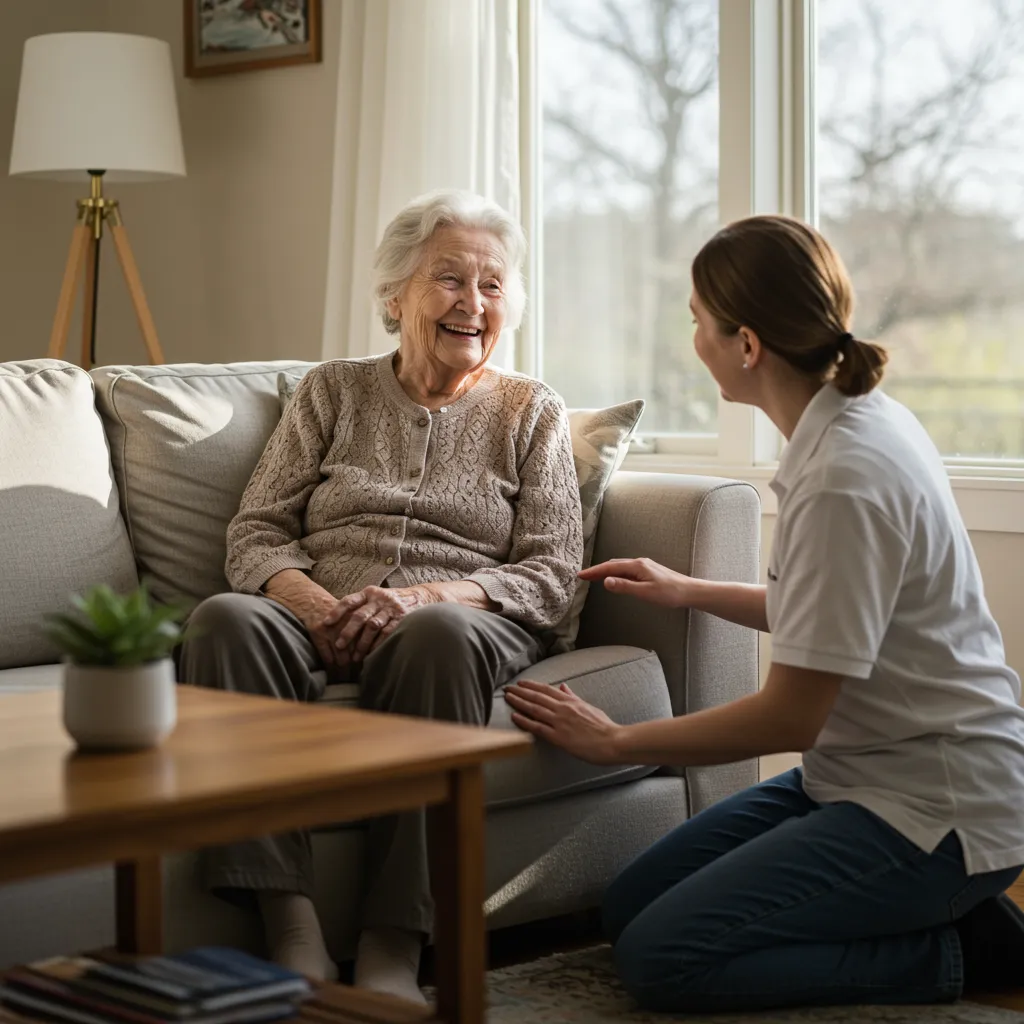
Aging at Home Safely: How to Help Your Loved One Stay Independent Longer

For many older adults, the idea of leaving home is more frightening than aging itself. Home represents familiarity, comfort, independence, and a lifetime of memories. Aging at home allows seniors to remain connected to their routines and identity — but it also requires thoughtful planning to ensure safety, health, and emotional well-being.
Families often assume that as long as a loved one wants to stay home, everything is fine. In reality, subtle changes can slowly turn a once-safe environment into a risky one.
Why Aging at Home Is So Important to Seniors
Aging at home supports:
Emotional stability and reduced anxiety
Independence and dignity
Stronger cognitive health through familiarity
Better overall quality of life
Seniors who remain at home often feel more in control, which positively affects mental and physical health.
Common Challenges Families Overlook
Many risks develop gradually:
Increased fall risk from clutter or poor lighting
Missed medications or incorrect dosing
Isolation due to limited mobility or transportation
Poor nutrition from skipped meals
Difficulty managing housekeeping
These challenges don’t always show up as emergencies — until they do.
Making the Home Safer Without Taking Away Independence
Simple adjustments can dramatically reduce risk:
Install grab bars in bathrooms and near steps
Remove throw rugs and cords
Improve lighting in hallways and entrances
Use non-slip mats and supportive footwear
Keep daily-use items within easy reach
These changes protect independence rather than limit it.
The Power of Routine
Consistent routines help seniors feel secure. Regular meals, gentle activity, medication reminders, and social interaction all support healthy aging. Even small moments of companionship can prevent loneliness and depression.
When Home Care Becomes the Missing Piece
Professional in-home care provides support without disruption. Caregivers assist with daily tasks while allowing seniors to stay in control of their lives. Families gain peace of mind knowing someone is there to help — before small issues become major problems.
Aging at home isn’t about doing everything alone. It’s about having the right support in place.
