
Blog
Family Caregiving
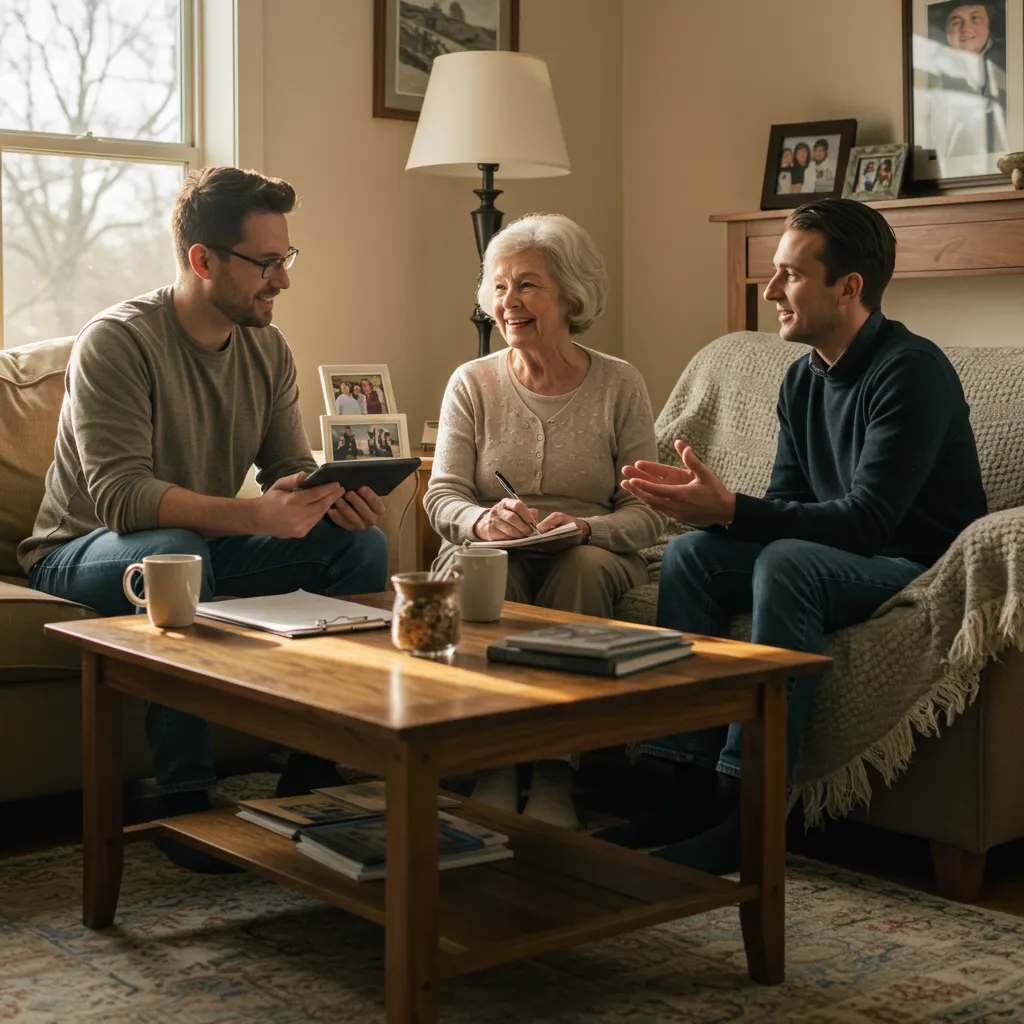
Navigating Sibling Dynamics in Family Caregiving

Family caregiving often brings out the best in us — love, devotion, commitment — but it can also stir up challenging emotions, especially when siblings are involved. Differences in communication styles, proximity, financial contributions and expectations can lead to disagreements that add stress during an already emotional journey.
Here’s how to navigate these dynamics with compassion and clarity.
Why Sibling Disagreements Happen
Even in loving families, caregiving can surface:
Unspoken assumptions about who should do what
Guilt or resentment over perceived effort
Conflicting schedules or lifestyles
Different opinions on the level of care needed
None of this makes anyone a “bad sibling” — it just reflects how emotionally charged caregiving can be.
Start With a Shared Goal
Begin family conversations by agreeing on a core objective: your loved one’s well-being and dignity. This shared purpose can help keep discussions constructive rather than personal.
Divide Responsibilities Clearly
Unclear roles create confusion. Try this approach:
One sibling handles appointments and medications
Another organizes finances and insurance
Someone else manages household support or companionship
When roles are defined, the burden feels lighter and accountability clearer.
Communicate Regularly and Respectfully
Consistency matters. Set up weekly check-ins — even brief ones — to update everyone. Use neutral language, focus on facts (“Dad had two falls this week”), and avoid accusatory phrases (“You never visit”).
Don’t Be Afraid to Ask for Help
You don’t have to do this alone. Professional care teams — like those at Amen Care — can step in with:
Personal care support
Meal prep and medication reminders
Transportation help
Companionship and respite care
This not only improves quality of care but gives families space to reconnect as family, not just caregivers.
When Emotions Run High
Feelings of guilt, worry or frustration are normal. Take time for self-care and encourage siblings to do the same. A short walk, a hobby break or even a coffee with a friend can give your mind much-needed breathing room.
Remember: You’re a Team
Caregiving isn’t a competition. It’s a shared journey where each contribution matters — and asking for support doesn’t diminish your love.

Aging at Home
Navigating Sibling Dynamics in Family Caregiving
Family caregiving often brings out the best in us — love, devotion, commitment — but it can also stir up challenging emotions, especially when siblings are involved. Differences in communication styles, proximity, financial contributions and expectations can lead to disagreements that add stress during an already emotional journey.
Here’s how to navigate these dynamics with compassion and clarity.
Why Sibling Disagreements Happen
Even in loving families, caregiving can surface:
Unspoken assumptions about who should do what
Guilt or resentment over perceived effort
Conflicting schedules or lifestyles
Different opinions on the level of care needed
None of this makes anyone a “bad sibling” — it just reflects how emotionally charged caregiving can be.
Start With a Shared Goal
Begin family conversations by agreeing on a core objective: your loved one’s well-being and dignity. This shared purpose can help keep discussions constructive rather than personal.
Divide Responsibilities Clearly
Unclear roles create confusion. Try this approach:
One sibling handles appointments and medications
Another organizes finances and insurance
Someone else manages household support or companionship
When roles are defined, the burden feels lighter and accountability clearer.
Communicate Regularly and Respectfully
Consistency matters. Set up weekly check-ins — even brief ones — to update everyone. Use neutral language, focus on facts (“Dad had two falls this week”), and avoid accusatory phrases (“You never visit”).
Don’t Be Afraid to Ask for Help
You don’t have to do this alone. Professional care teams — like those at Amen Care — can step in with:
Personal care support
Meal prep and medication reminders
Transportation help
Companionship and respite care
This not only improves quality of care but gives families space to reconnect as family, not just caregivers.
When Emotions Run High
Feelings of guilt, worry or frustration are normal. Take time for self-care and encourage siblings to do the same. A short walk, a hobby break or even a coffee with a friend can give your mind much-needed breathing room.
Remember: You’re a Team
Caregiving isn’t a competition. It’s a shared journey where each contribution matters — and asking for support doesn’t diminish your love.
Choosing Care
Navigating Sibling Dynamics in Family Caregiving
Family caregiving often brings out the best in us — love, devotion, commitment — but it can also stir up challenging emotions, especially when siblings are involved. Differences in communication styles, proximity, financial contributions and expectations can lead to disagreements that add stress during an already emotional journey.
Here’s how to navigate these dynamics with compassion and clarity.
Why Sibling Disagreements Happen
Even in loving families, caregiving can surface:
Unspoken assumptions about who should do what
Guilt or resentment over perceived effort
Conflicting schedules or lifestyles
Different opinions on the level of care needed
None of this makes anyone a “bad sibling” — it just reflects how emotionally charged caregiving can be.
Start With a Shared Goal
Begin family conversations by agreeing on a core objective: your loved one’s well-being and dignity. This shared purpose can help keep discussions constructive rather than personal.
Divide Responsibilities Clearly
Unclear roles create confusion. Try this approach:
One sibling handles appointments and medications
Another organizes finances and insurance
Someone else manages household support or companionship
When roles are defined, the burden feels lighter and accountability clearer.
Communicate Regularly and Respectfully
Consistency matters. Set up weekly check-ins — even brief ones — to update everyone. Use neutral language, focus on facts (“Dad had two falls this week”), and avoid accusatory phrases (“You never visit”).
Don’t Be Afraid to Ask for Help
You don’t have to do this alone. Professional care teams — like those at Amen Care — can step in with:
Personal care support
Meal prep and medication reminders
Transportation help
Companionship and respite care
This not only improves quality of care but gives families space to reconnect as family, not just caregivers.
When Emotions Run High
Feelings of guilt, worry or frustration are normal. Take time for self-care and encourage siblings to do the same. A short walk, a hobby break or even a coffee with a friend can give your mind much-needed breathing room.
Remember: You’re a Team
Caregiving isn’t a competition. It’s a shared journey where each contribution matters — and asking for support doesn’t diminish your love.
Real Stories
Navigating Sibling Dynamics in Family Caregiving
Family caregiving often brings out the best in us — love, devotion, commitment — but it can also stir up challenging emotions, especially when siblings are involved. Differences in communication styles, proximity, financial contributions and expectations can lead to disagreements that add stress during an already emotional journey.
Here’s how to navigate these dynamics with compassion and clarity.
Why Sibling Disagreements Happen
Even in loving families, caregiving can surface:
Unspoken assumptions about who should do what
Guilt or resentment over perceived effort
Conflicting schedules or lifestyles
Different opinions on the level of care needed
None of this makes anyone a “bad sibling” — it just reflects how emotionally charged caregiving can be.
Start With a Shared Goal
Begin family conversations by agreeing on a core objective: your loved one’s well-being and dignity. This shared purpose can help keep discussions constructive rather than personal.
Divide Responsibilities Clearly
Unclear roles create confusion. Try this approach:
One sibling handles appointments and medications
Another organizes finances and insurance
Someone else manages household support or companionship
When roles are defined, the burden feels lighter and accountability clearer.
Communicate Regularly and Respectfully
Consistency matters. Set up weekly check-ins — even brief ones — to update everyone. Use neutral language, focus on facts (“Dad had two falls this week”), and avoid accusatory phrases (“You never visit”).
Don’t Be Afraid to Ask for Help
You don’t have to do this alone. Professional care teams — like those at Amen Care — can step in with:
Personal care support
Meal prep and medication reminders
Transportation help
Companionship and respite care
This not only improves quality of care but gives families space to reconnect as family, not just caregivers.
When Emotions Run High
Feelings of guilt, worry or frustration are normal. Take time for self-care and encourage siblings to do the same. A short walk, a hobby break or even a coffee with a friend can give your mind much-needed breathing room.
Remember: You’re a Team
Caregiving isn’t a competition. It’s a shared journey where each contribution matters — and asking for support doesn’t diminish your love.
Local Resources
Navigating Sibling Dynamics in Family Caregiving
Family caregiving often brings out the best in us — love, devotion, commitment — but it can also stir up challenging emotions, especially when siblings are involved. Differences in communication styles, proximity, financial contributions and expectations can lead to disagreements that add stress during an already emotional journey.
Here’s how to navigate these dynamics with compassion and clarity.
Why Sibling Disagreements Happen
Even in loving families, caregiving can surface:
Unspoken assumptions about who should do what
Guilt or resentment over perceived effort
Conflicting schedules or lifestyles
Different opinions on the level of care needed
None of this makes anyone a “bad sibling” — it just reflects how emotionally charged caregiving can be.
Start With a Shared Goal
Begin family conversations by agreeing on a core objective: your loved one’s well-being and dignity. This shared purpose can help keep discussions constructive rather than personal.
Divide Responsibilities Clearly
Unclear roles create confusion. Try this approach:
One sibling handles appointments and medications
Another organizes finances and insurance
Someone else manages household support or companionship
When roles are defined, the burden feels lighter and accountability clearer.
Communicate Regularly and Respectfully
Consistency matters. Set up weekly check-ins — even brief ones — to update everyone. Use neutral language, focus on facts (“Dad had two falls this week”), and avoid accusatory phrases (“You never visit”).
Don’t Be Afraid to Ask for Help
You don’t have to do this alone. Professional care teams — like those at Amen Care — can step in with:
Personal care support
Meal prep and medication reminders
Transportation help
Companionship and respite care
This not only improves quality of care but gives families space to reconnect as family, not just caregivers.
When Emotions Run High
Feelings of guilt, worry or frustration are normal. Take time for self-care and encourage siblings to do the same. A short walk, a hobby break or even a coffee with a friend can give your mind much-needed breathing room.
Remember: You’re a Team
Caregiving isn’t a competition. It’s a shared journey where each contribution matters — and asking for support doesn’t diminish your love.
Care Tips & Advice
Navigating Sibling Dynamics in Family Caregiving
Family caregiving often brings out the best in us — love, devotion, commitment — but it can also stir up challenging emotions, especially when siblings are involved. Differences in communication styles, proximity, financial contributions and expectations can lead to disagreements that add stress during an already emotional journey.
Here’s how to navigate these dynamics with compassion and clarity.
Why Sibling Disagreements Happen
Even in loving families, caregiving can surface:
Unspoken assumptions about who should do what
Guilt or resentment over perceived effort
Conflicting schedules or lifestyles
Different opinions on the level of care needed
None of this makes anyone a “bad sibling” — it just reflects how emotionally charged caregiving can be.
Start With a Shared Goal
Begin family conversations by agreeing on a core objective: your loved one’s well-being and dignity. This shared purpose can help keep discussions constructive rather than personal.
Divide Responsibilities Clearly
Unclear roles create confusion. Try this approach:
One sibling handles appointments and medications
Another organizes finances and insurance
Someone else manages household support or companionship
When roles are defined, the burden feels lighter and accountability clearer.
Communicate Regularly and Respectfully
Consistency matters. Set up weekly check-ins — even brief ones — to update everyone. Use neutral language, focus on facts (“Dad had two falls this week”), and avoid accusatory phrases (“You never visit”).
Don’t Be Afraid to Ask for Help
You don’t have to do this alone. Professional care teams — like those at Amen Care — can step in with:
Personal care support
Meal prep and medication reminders
Transportation help
Companionship and respite care
This not only improves quality of care but gives families space to reconnect as family, not just caregivers.
When Emotions Run High
Feelings of guilt, worry or frustration are normal. Take time for self-care and encourage siblings to do the same. A short walk, a hobby break or even a coffee with a friend can give your mind much-needed breathing room.
Remember: You’re a Team
Caregiving isn’t a competition. It’s a shared journey where each contribution matters — and asking for support doesn’t diminish your love.
Ready to Give Your Loved One the Care They Deserve?


At Amen Care Inc, we bring comfort, dignity, and peace of mind to your home. Our compassionate caregivers provide personalized support tailored to your family’s needs — because quality care should feel like family
Connect With Us
234 Westmont Dr, suite 1050, Altamonte Springs, FL 32714
© Amen Care, INC. 2026. All Rights Reserved.
Website Designed by Adkivity LLC